
Transoceanic Cruises: The Luxury Cruise World’s Best-Kept Secret
Why less can sometimes be more
Most people choose a cruise because they want to wake up in a different destination every morning. Ironically, some of my favorite cruises have involved only two or three ports over nearly two weeks. Instead of rushing ashore every day, I spent my time reading, enjoying long lunches, meeting fascinating people and simply appreciating the ship itself.
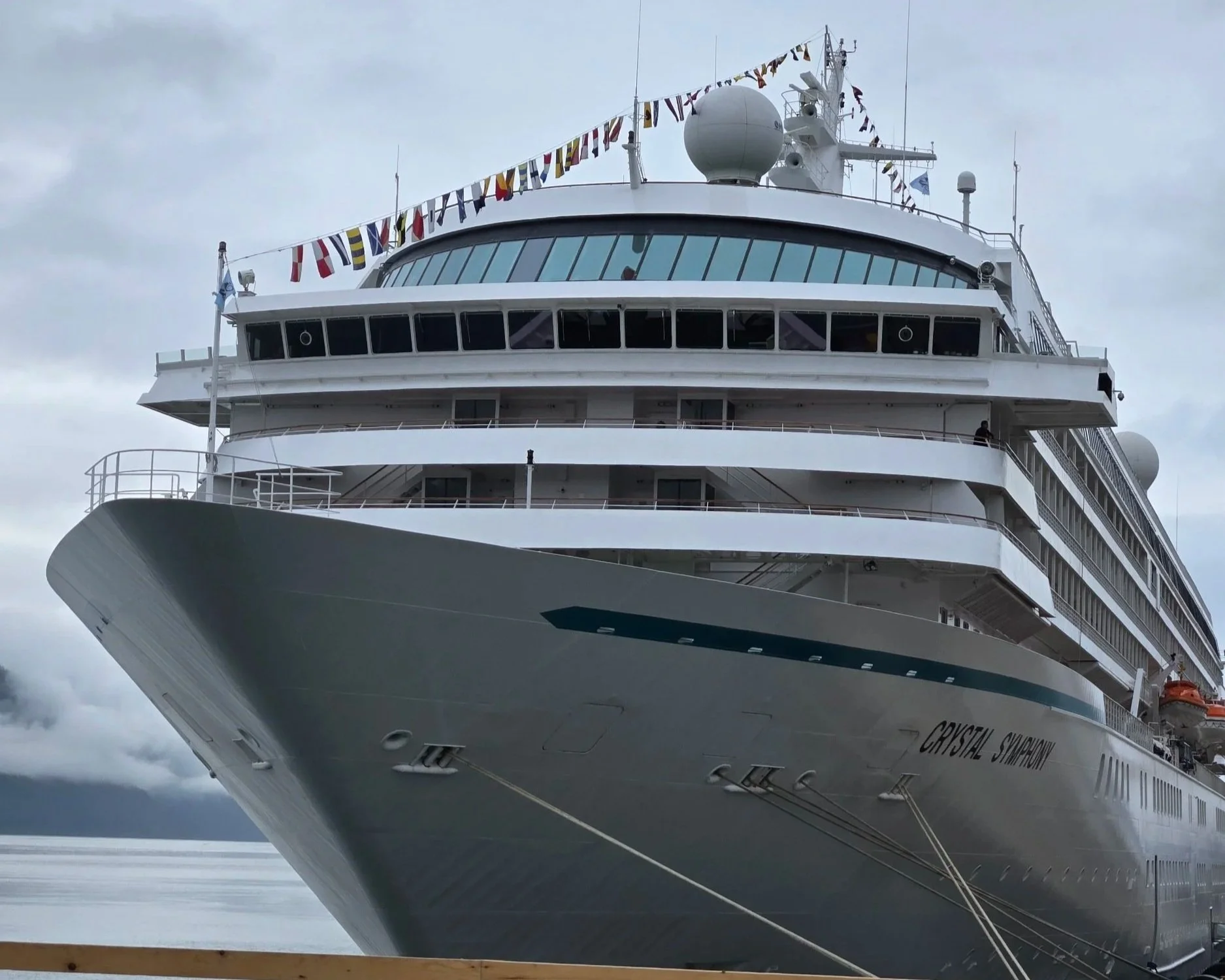
Onboard Crystal Symphony for a trans-pacific voyage from Japan to Alaska
These voyages are known as transoceanic repositioning cruises. They take place when cruise lines move their ships between seasonal cruising regions and, in my opinion, they are one of the best-kept secrets in luxury travel. They are certainly not for everyone, but for the right traveler they offer an experience that is very different from a conventional cruise.
Although every route is unique, they all have one thing in common: the ship becomes the destination.
Why I enjoy them so much
For me, the biggest attraction is finally having time to enjoy the ship. Luxury vessels such as Crystal, Regent Seven Seas, Silversea, Seabourn, Explora Journeys and Oceania are destinations in their own right, yet on many cruises you spend most of the day ashore. On a transoceanic voyage there is time to enjoy leisurely breakfasts, enrichment lectures, afternoon tea, the spa, live music and unhurried dinners without constantly watching the clock.
I also find these cruises incredibly relaxing. After a couple of days, life settles into an easy rhythm with very few decisions to make. Whether you enjoy reading, painting, bridge, trivia, bingo or simply watching the ocean from the observation lounge, there is finally enough time to do exactly what you feel like doing.
What surprised me most was how social these cruises become. After several consecutive sea days, conversations develop naturally and friendships form remarkably quickly. Some of the most interesting people I have met at sea were on repositioning cruises simply because everyone had the time to stop and talk.

Stunning Alaska
Finally, there is the question of value. With the exception of Arctic and Antarctic crossings, repositioning cruises are often considerably cheaper on a per-night basis than conventional itineraries. For many travellers, they are the most affordable way to experience the world’s leading luxury cruise lines.
💡 Expeditioner Tip
“If this is your first transoceanic cruise, I usually recommend travelling westbound rather than eastbound. Westbound voyages generally allow you to gain an hour as you cross time zones, whereas eastbound crossings often require you to lose an hour every day or two. It sounds like a small detail, but after ten days it makes a surprising difference to how rested you feel.”
My experience
My first repositioning cruise was a nine-night Azamara Journey voyage from Lisbon to Boston with just one stop in the Azores. More recently, I sailed aboard Crystal Symphony from Tokyo to Seward, visiting Aomori and Kushiro before spending seven consecutive sea days crossing the North Pacific to Kodiak and Homer.
Although the itineraries could not have been more different, both taught me the same lesson: what I remember most is not the ports, but life on board.
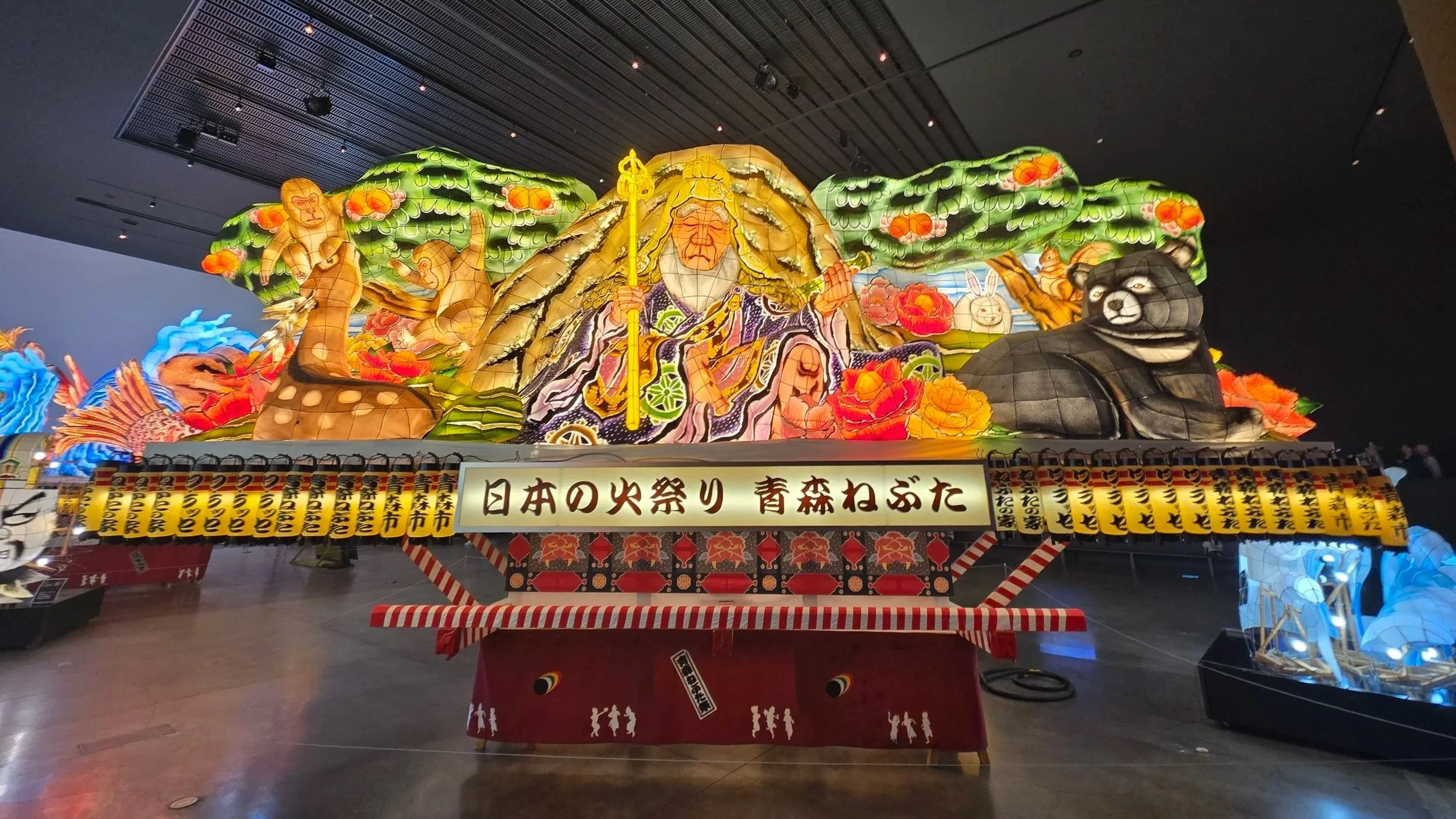
Aomori lanterns, Japan
What you should know before booking
Like any style of travel, transoceanic cruises have their drawbacks, and I believe it is important to understand them before booking.
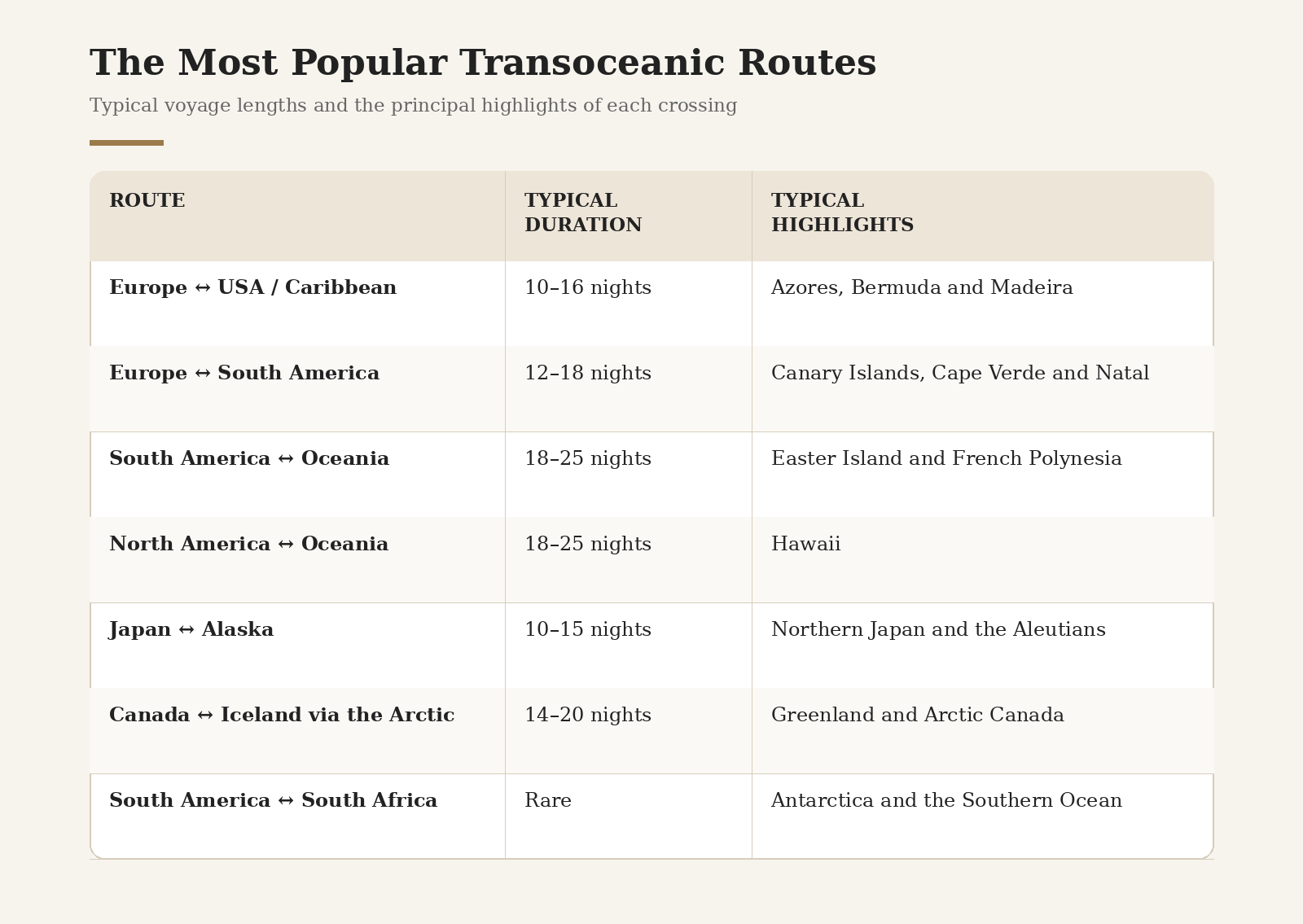
The first is time. Most voyages last between 10 and 20 nights, making them less suitable if you have limited annual leave. On the other hand, Starlink internet has made remote working at sea remarkably easy for many professionals and business owners.
The second is weather. During my June crossing from Japan to Alaska, the pool and whirlpools were heated but strong winds meant they were rarely used. Outdoor facilities such as the golf nets and pickleball court were occasionally closed, proving that not every ocean crossing offers Caribbean-style sunshine.
The third consideration is ship movement. Modern stabilizers are excellent, but they cannot eliminate heavy swells altogether. Choosing a newer ship and the right cabin location makes a noticeable difference, particularly if you are prone to seasickness.
Finally, I discovered that the onboard experience becomes far more important after a week at sea. The quality of enrichment programs varies enormously between cruise lines, gyms become much busier because nobody leaves the ship, and even excellent food can become repetitive. I always recommend spreading speciality restaurant reservations across the voyage rather than booking them all during the first few days.

Some may find the enrichment a bit too heavy for a cruise
Choosing the right ship matters more than you think
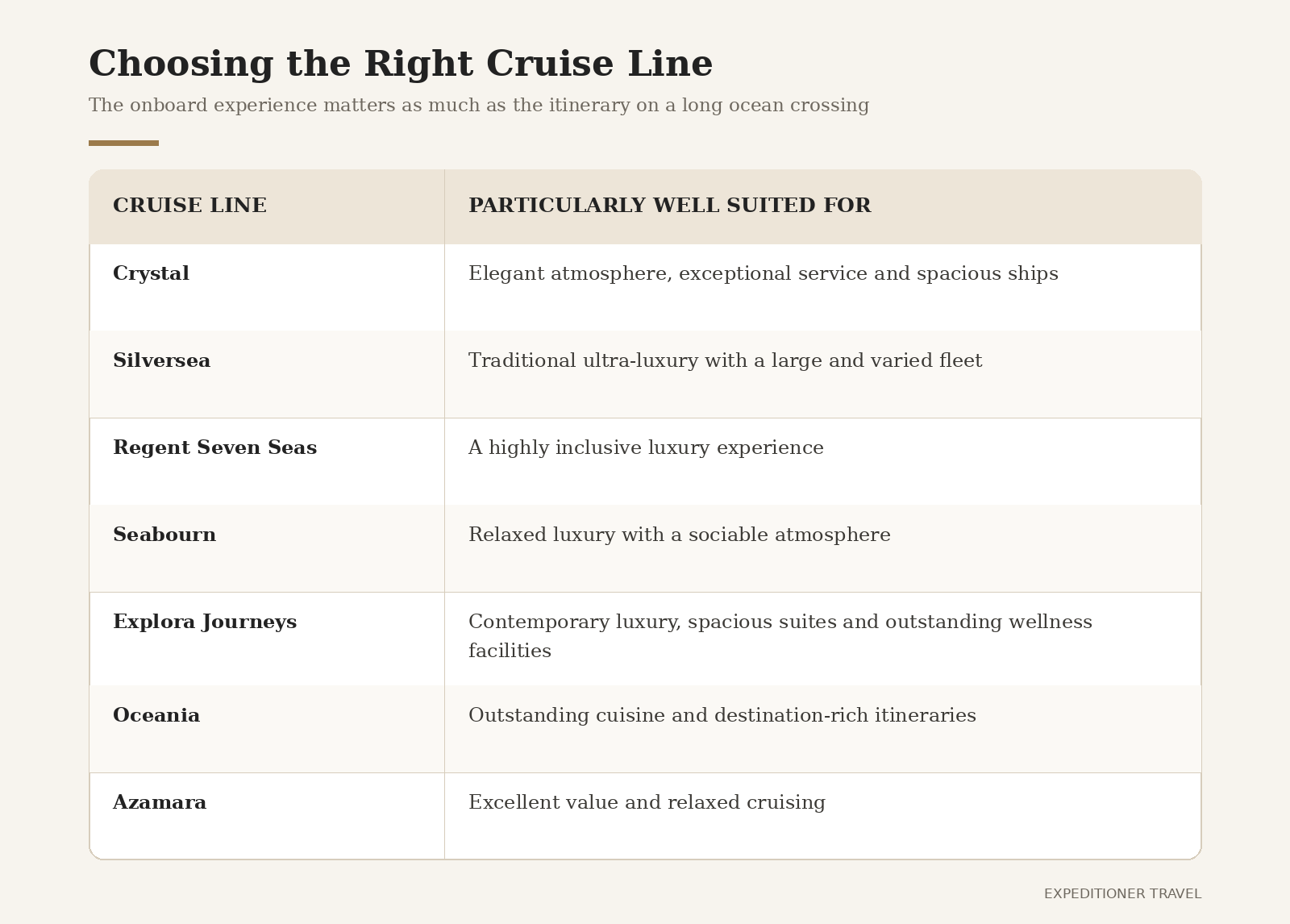
One lesson I have learnt is that the cruise line matters just as much as the itinerary. Spending two weeks almost entirely at sea magnifies the personality of the ship, making small differences much more noticeable than on a traditional cruise. Our guide Which luxury cruise line is right for me? shows which ships lead on what people most often choose by.
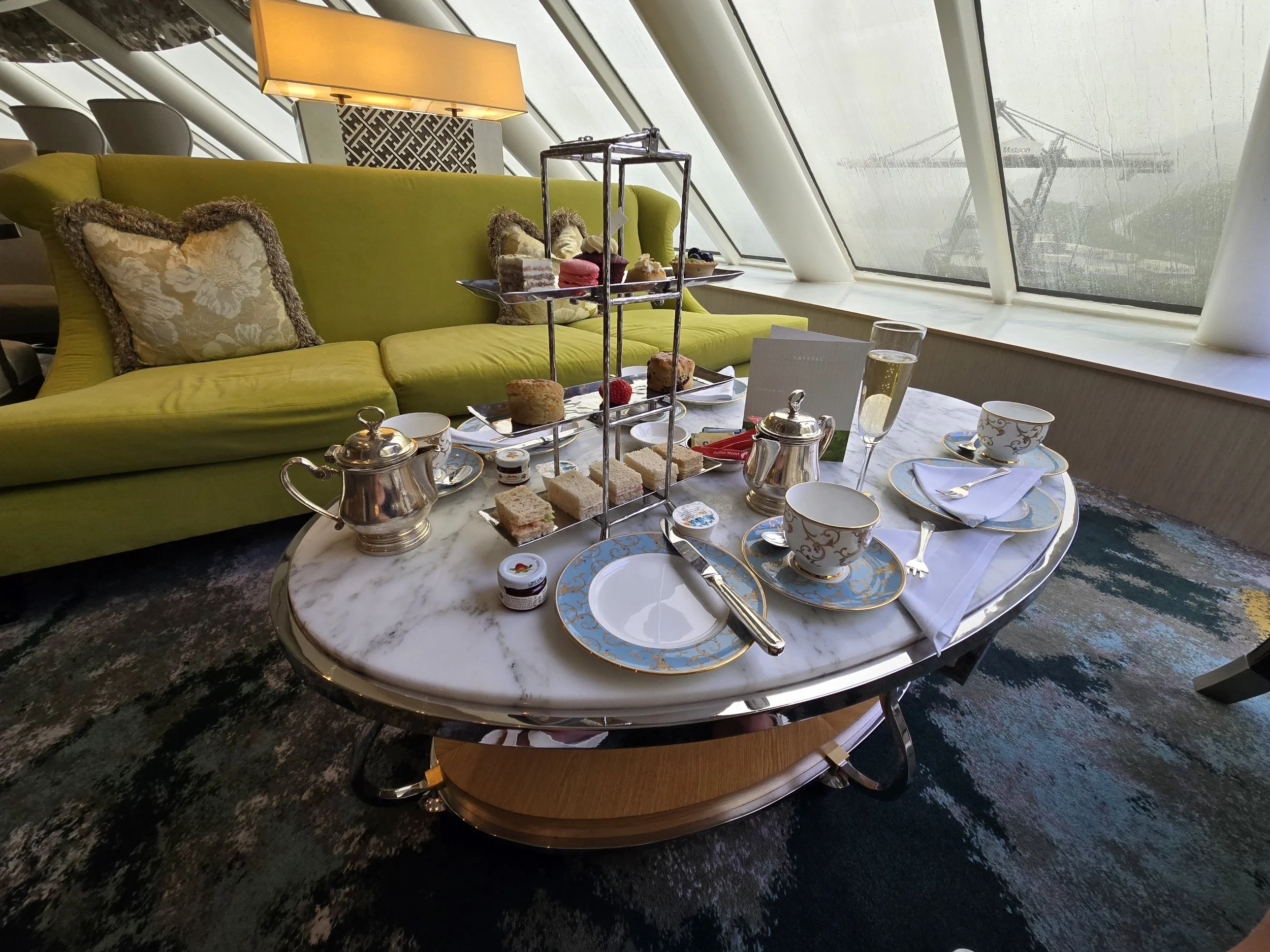
Great food is a must on a transoceanic cruise - you also have a lot more time to enjoy an afternoon tea!
✓ Is a transoceanic cruise right for you?
You’ll probably love one if you:
Enjoy sea days as much as destinations.
Want to experience a luxury ship properly.
Love reading, relaxing, attending lectures or meeting new people.
Are looking for the best value way to sail on an ultra-luxury cruise line.
Can spare 10–20 nights for your holiday.
It may not be the best choice if you:
Prefer exploring a different port every day.
Become restless after several consecutive sea days.
Are travelling purely for sightseeing rather than the onboard experience.
Prone to motion sickness - although choosing the right ship will mitigate this.
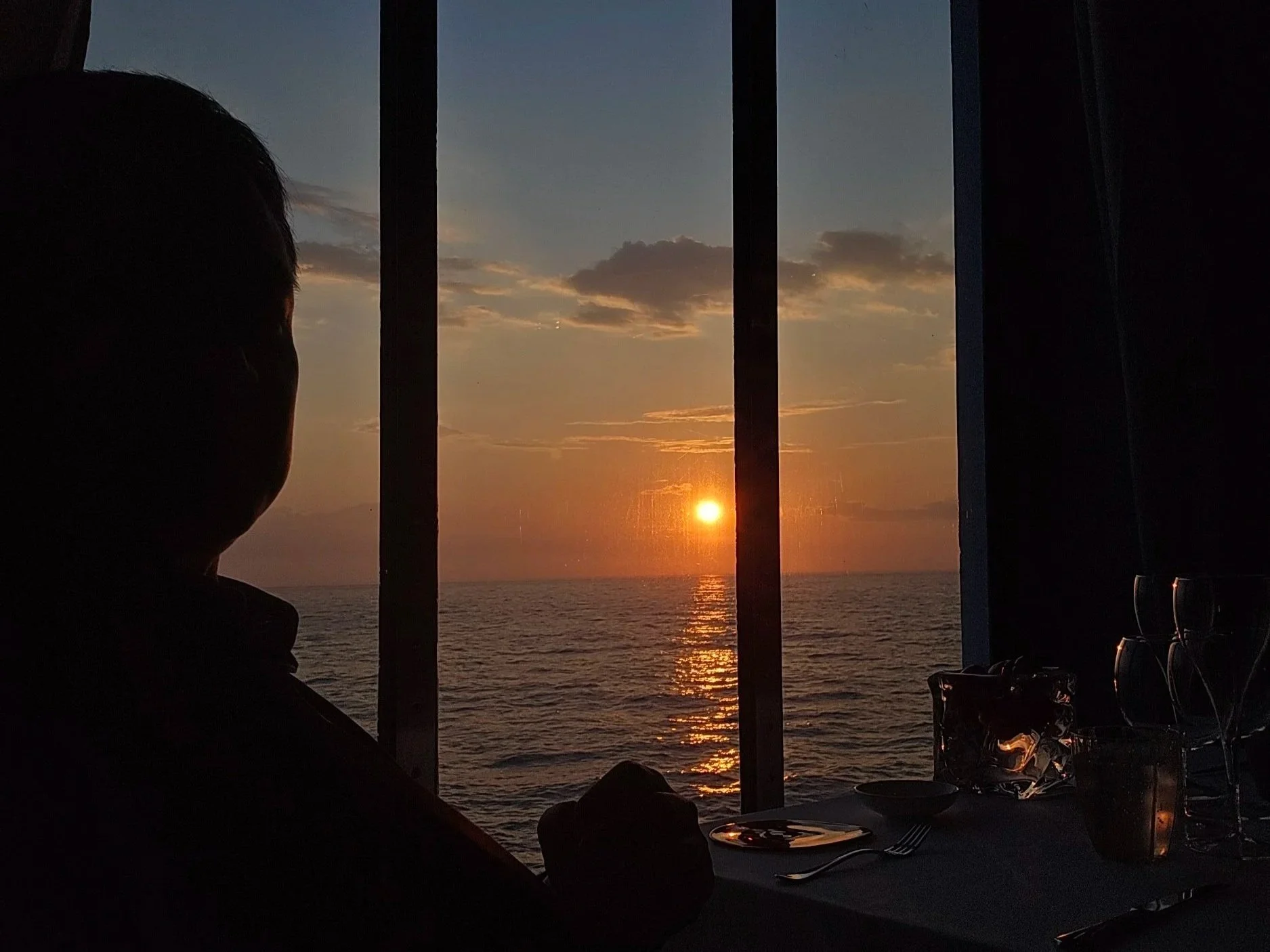
Ultra long days on a transpacific crossing
My verdict
Would I book another transoceanic cruise? Absolutely—but I would choose the cruise line just as carefully as the itinerary.
Having now crossed both the Atlantic and the Pacific, I have realised that these voyages are far more about life on board than the ports themselves. The right ship can make two weeks at sea one of the most relaxing and rewarding holidays you will ever take, while the wrong one can make the days feel surprisingly long.
That is precisely where Expeditioner Travel can help. We do not simply recommend a route—we recommend the cruise line, the season and the onboard experience that best matches the way you like to travel. Having personally crossed both the Atlantic and the Pacific, I can help you choose not only the right itinerary, but also the right ship, ensuring your first transoceanic cruise is memorable for all the right reasons. Contact us today!
More on ultra-luxury cruising: Ultra-luxury cruise lines compared
Not sure which line suits the way you travel? CruiseLens compares thirty ultra-luxury ships against how you actually like to travel — twenty-three questions, no cruise knowledge needed. Find your ship →
If a crossing sounds like your kind of week at sea, there are two useful next steps.
See the cruise pages Talk to Marc
